
Buying a $300,000 House on a $75,000 Salary
Important Items to Know for First-Time Homebuyers
Purchasing your first home is an exciting, life-changing milestone, but it also comes with a fair amount of financial responsibility and decision-making. For many first-time homebuyers, the dream is to secure a house that offers space, comfort, and potential for long-term investment, but the question often arises. That question is can you afford a $300,000 house on a $75,000 salary?
While it is definitely possible to make this work, the answer depends on several factors from monthly mortgage payments and interest rates to down payments and other financial obligations. Understanding these components is an important component to determining if purchasing a $300,000 home is within reach for your budget and financial situation.
Let's break down the financial elements to consider when buying a $300k home on a $75k salary, and offer suggestions to help you make a financially sound decision.
Basic Financial Breakdown
Before diving into the specifics, it’s important to have a good idea of what buying a $300,000 house entails in terms of monthly payments. Typically, your monthly mortgage payment will include the following:
Principal and Interest (P&I): This is the amount you pay toward the loan balance and the cost of borrowing.
Property Taxes: Local property taxes can vary widely based on location. In some areas, it can be more reasonable than other areas.
Homeowners Insurance: This covers potential damages to your property. Similar to property taxes, homeowner's insurance for a house can vary greatly depending on the county, age of the home, location, etc.
Private Mortgage Insurance (PMI): If you put down less than 20%, you will likely have to pay PMI, depending on the loan program, which protects the lender if you default on the loan.
Here is a basic example to demonstrate:
Monthly Mortgage Payments
Loan Amount & Interest Rate
To get a clearer picture, let's assume you're purchasing a $300,000 home with a 20% down payment which is will avoid the PMI. This means you will need to pay $60,000 upfront, leaving you with a loan amount of $240,000.
The interest rate is another critical factor in determining your mortgage payments. Let’s assume a 30-year fixed-rate mortgage with an interest rate of 6.5% (rates vary depending on your credit score and market conditions). This is the approximate breakdown of your monthly payments:
Loan Amount: $240,000
Interest Rate: 6.5%
Term: 30 years (360 months)
Estimated Monthly Principal & Interest: $1,512
Property Taxes and Insurance
The next step is to account for property taxes and homeowners insurance. Property taxes vary widely by region, but let’s estimate them at 1.25% of the property value annually. For a $300,000 house, this would amount to approximately $3,750 per year, or about $312 per month.
Homeowners insurance could range from $800 to $1,200 annually, depending on the location and size of your home. Let’s assume $1,000 annually, or about $83 per month.
PMI
Since you’re putting down 20%, PMI is not required in this case. If you were to put down less than 20%, PMI could add anywhere from $100 to $250 per month, depending on the size of your loan and your credit score.
Total Monthly Payment
Principal & Interest: $1,512
Property Taxes: $312
Homeowners Insurance: $83
Total Monthly Payment: $1,907
The 28/36 Rule: A Helpful Guideline
Lenders often use the 28/36 rule to assess a borrower’s ability to repay the loan. This rule suggests that:
28% of your gross monthly income should go toward housing costs (including mortgage, taxes, and insurance).
36% of your gross monthly income should go toward all debt obligations, including housing, car loans, student loans, and credit card payments.
Let’s apply this to your situation.
Step 1: Monthly Income
On a $75,000 salary, your monthly income before taxes is:
$75,000 / 12 = $6,250
Step 2: Housing Costs (28%)
According to the 28% rule, your monthly housing costs should not exceed 28% of your monthly income:
6$,250 x 0.28 = $1750
Your estimated monthly mortgage payment of $1,907 exceeds this figure by about $157. While it’s not an immediate dealbreaker, this suggests that the $300,000 home may push the limits of what is considered “affordable” based on your salary alone.
Step 3: Total Debt (36%)
Now let’s factor in any other debts you may have (student loans, car payments, credit card debt, etc.). The 36% rule states your total debt payments should not exceed 36% of your monthly income:
$6,250 x 0.36 = $2250
If your other debts, including your mortgage, total more than $2,250, you may struggle to stay within an affordable range.
Additional Costs to Consider
Beyond the basics, there are other financial factors that first-time homebuyers should be prepared for when buying a $300,000 home:
Upfront Costs: Besides your down payment, you’ll also face closing costs, which typically range from 2% to 4% of the home’s purchase price. For a $300,000 home, this could mean anywhere from $6,000 to $12,000 in closing costs.
Home Maintenance: Owning a home means you’re responsible for upkeep and repairs, which can range from minor fixes (like a leaky faucet) to major expenses (like a new roof or HVAC system). Budgeting 1% of the home’s value annually for maintenance is a good rule of thumb. For a $300,000 house, that’s about $3,000 per year.
Utilities and Homeowners Association Fees: Don’t forget about monthly utilities (electricity, water, internet, etc.) and potential HOA fees if you’re buying in a community with shared spaces.
What You Can Do to Afford a $300,000 Home on a $75,000 Salary
If buying a $300,000 home seems like a stretch, here are some strategies to help make homeownership more attainable:
Save for a Larger Down Payment: The larger your down payment, the lower your loan amount and monthly mortgage payments will be. A 20% down payment is standard to avoid PMI, but if you can put down 25% or 30%, you’ll see a significant reduction in your monthly payments.
Consider a Smaller Home: If your ideal home is just out of reach, consider looking at homes in the $250,000 to $275,000 range. This could provide a better balance between what you can afford and the lifestyle you want.
Shop for the Best Interest Rate: Even a small reduction in interest rates can make a big difference in your monthly mortgage payment. Shop around for the best rates and consider working with a mortgage broker to help find the right loan for your situation.
Increase Your Income or Reduce Debt: If possible, consider finding ways to boost your income (e.g., side jobs, freelance work) or pay down existing debt to free up more room in your budget for your home purchase.
Is Buying a $300,000 Home on a $75,000 Salary Feasible?
While buying a $300,000 home on a $75,000 salary is not out of the question, it requires careful budgeting and planning. The key is understanding how your mortgage payments fit into your overall financial picture, considering all additional costs (property taxes, insurance, maintenance), and knowing what you can comfortably afford without stretching yourself too thin.
By following the 28/36 rule, shopping around for the best mortgage terms, and ensuring you have a solid emergency fund in place, you can increase your chances of successfully purchasing your first home without compromising your financial stability.
Remember, your first home is just the beginning of your homeownership journey—making a sound financial decision today will pay dividends for years to come.
Total Monthly Payment
Principal & Interest: $1,512
Property Taxes: $312
Homeowners Insurance: $83
Total Monthly Payment: $1,907
The 28/36 Rule: A Helpful Guideline
Lenders often use the 28/36 rule to assess a borrower’s ability to repay the loan. This rule suggests that:
28% of your gross monthly income should go toward housing costs (including mortgage, taxes, and insurance).
36% of your gross monthly income should go toward all debt obligations, including housing, car loans, student loans, and credit card payments.
Let’s apply this to your situation.
Monthly Income
On a $75,000 salary, your monthly income before taxes is:
$75,000 / 12 = $6,250
Housing Costs (28%)
According to the 28% rule, your monthly housing costs should not exceed 28% of your monthly income:
$6,250 x 0.28 = $1750
Your estimated monthly mortgage payment of $1,907 exceeds this figure by about $157. While it’s not an immediate dealbreaker, this suggests that the $300,000 home may push the limits of what is considered “affordable” based on your salary alone.
Total Debt (36%)
Now let’s factor in any other debts you may have (student loans, car payments, credit card debt, etc.). The 36% rule states your total debt payments should not exceed 36% of your monthly income:
$6,250 x 0.36 = $2250
If your other debts, including your mortgage, total more than $2,250, you may struggle to stay within an affordable range.
Additional Costs to Consider
Beyond the basics, there are other financial factors that first-time homebuyers should be prepared for when buying a $300,000 home:
Upfront Costs: Besides your down payment, you’ll also face closing costs, which typically range from 2% to 4% of the home’s purchase price. For a $300,000 home, this could mean anywhere from $6,000 to $12,000 in closing costs.
Home Maintenance: Owning a home means you’re responsible for upkeep and repairs, which can range from minor fixes (like a leaky faucet) to major expenses (like a new roof or HVAC system). Budgeting 1% of the home’s value annually for maintenance is a good rule of thumb. For a $300,000 house, that’s about $3,000 per year.
Utilities and Homeowners Association Fees: Don’t forget about monthly utilities (electricity, water, internet, etc.) and potential HOA fees if you’re buying in a community with shared spaces.
What You Can Do to Afford a $300,000 Home on a $75,000 Salary
If buying a $300,000 home seems like a stretch, here are some strategies to help make homeownership more attainable:
Save for a Larger Down Payment: The larger your down payment, the lower your loan amount and monthly mortgage payments will be. A 20% down payment is standard to avoid PMI, but if you can put down 25% or 30%, you’ll see a significant reduction in your monthly payments.
Utilize the FHA loan program which can help you purchase a home with a smaller down payment. A first-time homebuyer is generally classified as someone who has not owned a home in the past three years. If that's your situation, you can potentially purchase a home with only a 3.5% down payment.
Consider a Smaller Home: If your ideal home is just out of reach, consider looking at homes in the $250,000 to $275,000 range. This could provide a better balance between what you can afford and the lifestyle you want.
Increase Your Income or Reduce Debt: If possible, consider obtaining a cosigner. You can also try to pay down existing debt to free up more room in your budget for your home purchase.
Is Buying a $300,000 Home on a $75,000 Salary Feasible?
While buying a $300,000 home on a $75,000 salary is not out of the question, it requires careful budgeting and planning. The key is understanding how your mortgage payments fit into your overall financial picture, considering all additional costs (property taxes, insurance, maintenance), and knowing what you can comfortably afford without stretching yourself too thin.
By following the 28/36 rule, shopping around for the best mortgage terms, and ensuring you have a solid emergency fund in place, you can increase your chances of successfully purchasing your first home without compromising your financial stability.
Remember, your first home is just the beginning of your homeownership journey—making a sound financial decision today will pay dividends for years to come.
Mortgage Insight:
Purchasing a Home with a Conventional Loan
VA Loan Success Story with Eric and Denise
How a VA Loan in Ocala, FL changed a Family's Financial Future
Can I Use My VA Loan in a Chapter 13 Bankruptcy?
Can a Fiance or Kids be on a VA Loan?
Veterans Who Buy Homes See Far Higher Net Worth Than Renters
How Much Mortgage Insurance Can I Save with a VA Loan?
What to Avoid in a Home When Obtaining a VA Loan Appraisal?
Duplex Property in Fort Lauderdale Quadruples in Value and Leaves a Nest Egg to the Heirs
How a California Remote Worker Obtained a Mortgage to Relocate to Boca Raton, FL
What's the Average Mortgage in Fort Lauderdale, FL?
What Factors are in my Credit Score for a Mortgage?
What Documents Do You Need for a No Income Verification Mortgage?
Restaurant Owner Obtains Self-Employed Home Loan
Can a General Contractor Obtain a No Income Verification Mortgage?
Is a HELOC or a Cash Out Refinance Better to Pay for a New Roof?
Can a Collection Prevent Me from Getting a Mortgage?
Do I Have to Make Mortgage Payments if I Lose My Job?

Your mortgage journey.
Various loan type options including:
Conventional loan
FHA loan
VA loan
Self-employed loan options
No income verification for investors
Benefits of Homeownership
Homeownership is a significant milestone and a decision that offers many advantages. In addition to providing a place to call your own, owning a home brings financial stability, personal fulfillment, and a sense of belonging. Mortgage Group has been helping individuals and families obtain homeownership, guiding them through the process and obtaining referrals to help their family and friends accomplish the same.

Purchase
Get pre-approved to purchase your first home, second home or upcoming investment property.
Refinance
Own a property and interested in lowering your payment? Need to take cash out? Refinance with confidence.
Connect with Us
Our experienced team with be happy to speak with you, and walk you through each step of the process.

Providing mortgage solutions to help you with your home.
Mortgages can be complicated and have many moving parts. Let our team help you!
Contact Us
It only takes a few moments to reach out and have an initial conversation.
Know the Next Steps
Our team will work with you to find the best way to achieve your home loan goals.
Find Your Home and Get Your Loan
Our team will be prepared to move with the next steps once you have secured your home purchase contract.
Houses
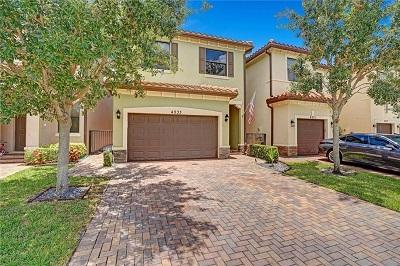
Townhomes
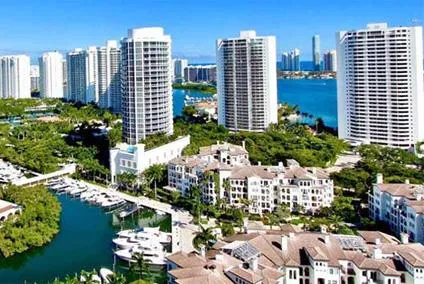
Condos
Multi-Units

Some of the areas where we have helped individuals obtain a mortgage:
Miami-Dade County
Bal Harbour, FL
Coconut Grove, FL
Coral Gables, FL
Cutler Bay, FL
Eastern Shores, FL
Fisher Island, FL
Golden Beach, FL
Hialeah, FL
Hialeah Gardens, FL
Homestead, FL
Indian Creek, FL
Miami Beach, FL
Miami Gardens, FL
North Miami, FL
North Miami Beach, FL
Pinecrest, FL
Surfside, FL
Broward County
Cooper City, FL
Coral Springs, FL
Dania Beach, FL
Davie, FL
Deerfield Beach, FL
Doral, FL
Fort Lauderdale, FL
Hallandale Beach, FL
Hollywood, FL
Lauderdale by the Sea, FL
Lauderdale Lakes, FL
Lauderhill, FL
Lighthouse Point, FL
Margate, FL
Miramar, FL
North Lauderdale, FL
Oakland Park, FL
Parkland, FL
Pembroke Pines, FL
Plantation, FL
Pompano Beach, FL
Southwest Ranches, FL
Sunrise, FL
Tamarac, FL
West Park, FL
Wilton Manors, FL
How much home can I afford?


Which home loan program is right for me?

Contact our team today.
1-800-583-5305
© Copyright 2026 E Mortgage Capital, Inc.. All rights reserved.
- 1416824 | E Mortgage Capital, Inc.
Notice To Texas Loan Applicants: Consumers wishing to file a complaint against a mortgage banker, or a licensed mortgage banker residential mortgage loan originator, should complete and send a complaint form to the Texas Department of Savings and Mortgage Lending, 2601 North Lamar, Suite 201, Austin, TX 78705. Complaint forms and instructions may be obtained from the department’s website at www.sml.texas.gov
A toll-free consumer hotline is available at 1-877-276-5550. The department maintains a recovery fund to make payments of certain actual out of pocket damages sustained by borrowers caused by acts of licensed mortgage banker residential mortgage loan originators. A written application for reimbursement from the recovery fund must be filed with and investigated by the department prior to the payment of a claim. For more information about the recovery fund, please consult the department’s website at
www.sml.texas.gov